


By Betty Alcaraz
Living in Puerto Vallarta | Kara Realtors
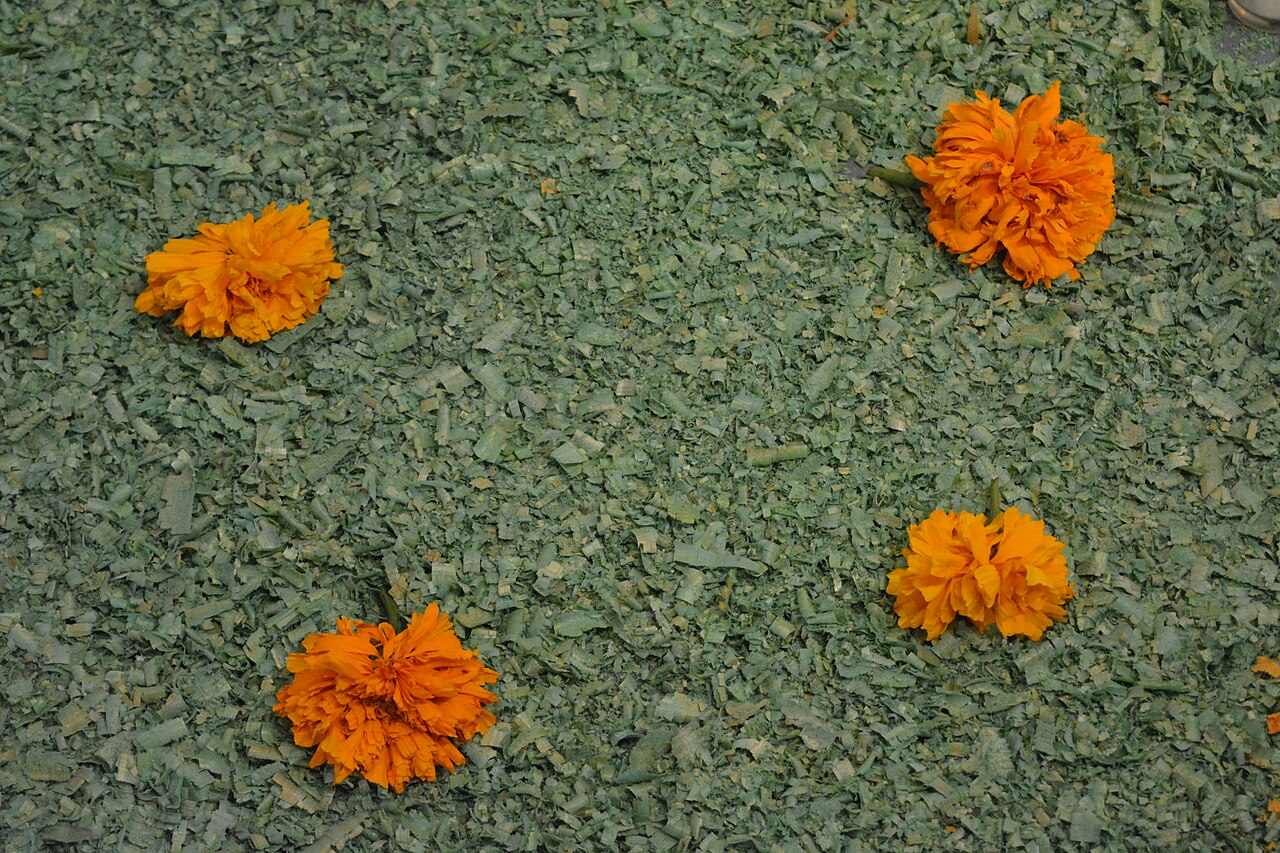

Orange marigolds, glowing candles, colorful paper banners, and photographs of loved ones: Día de Muertos fills Mexico with beauty and meaning. Behind every carefully arranged altar is a personal story-a favorite meal, a familiar face, a memory that families continue to share.
For anyone visiting or making a home in Puerto Vallarta, understanding this tradition offers a deeper connection to the community and the people who bring it to life.
What does Día de Muertos mean?
Día de Muertos, or Day of the Dead, honors family members and loved ones who have passed away. In many Mexican traditions, it marks their spiritual return to spend time with the living.
The celebration brings together Indigenous traditions and Catholic influences. It preserves family stories, strengthens community connections, and passes cultural knowledge between generations. Mexico's Indigenous festivity dedicated to the dead was inscribed on UNESCO's Representative List of Intangible Cultural Heritage in 2008.
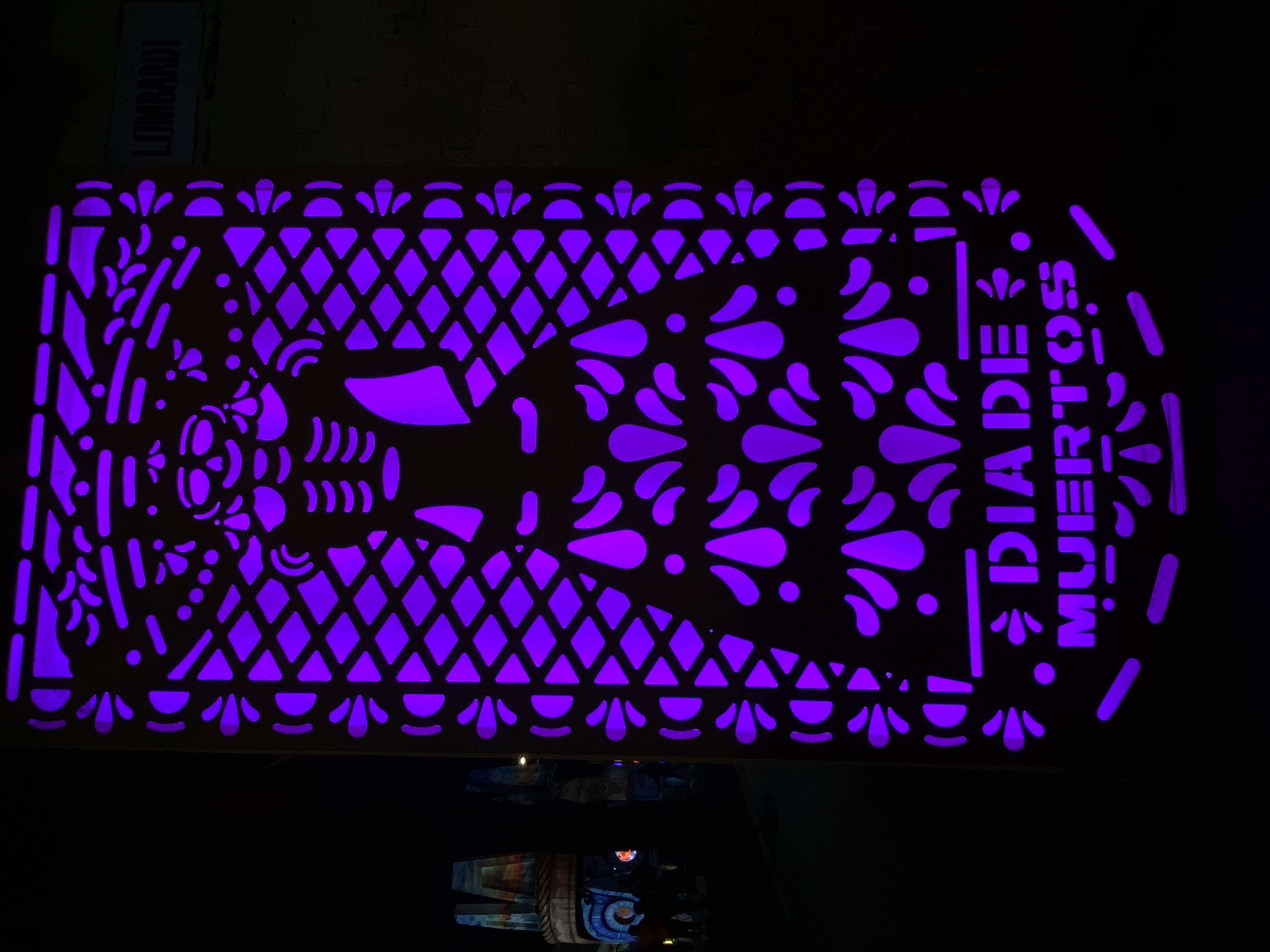

When is it celebrated?
The principal observances take place on November 1 and 2. In many communities, November 1 honors children who have died, while November 2 remembers adults. Customs vary across regions and families, and preparations often begin earlier.
The meaning behind an ofrenda
The ofrenda, or offering, is the heart of the celebration. Families create these welcoming displays at home, in public spaces, and at gravesites.
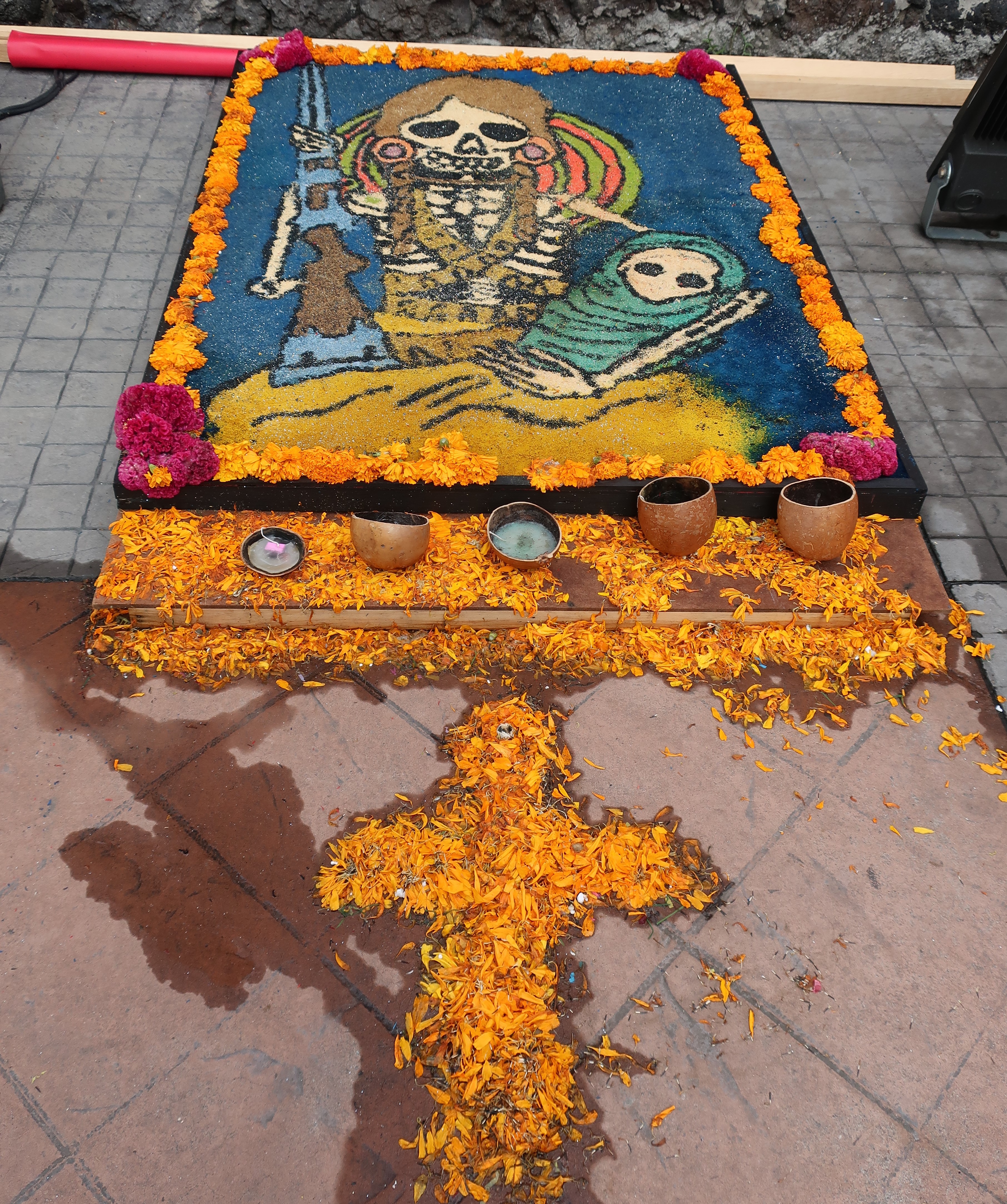

Each element carries meaning:
- Photographs identify the loved ones being remembered.
- Cempasúchil flowers, the brilliant orange Mexican marigolds, traditionally help guide returning souls with their color and fragrance.
- Candles provide light to guide the way.
- Water welcomes the souls and quenches their thirst after the journey.
- Salt symbolizes purification.
- Favorite foods and drinks express affection through the tastes a person enjoyed during life.
An ofrenda's beauty comes from these personal details. It is a gesture of hospitality, prepared with someone particular in mind.

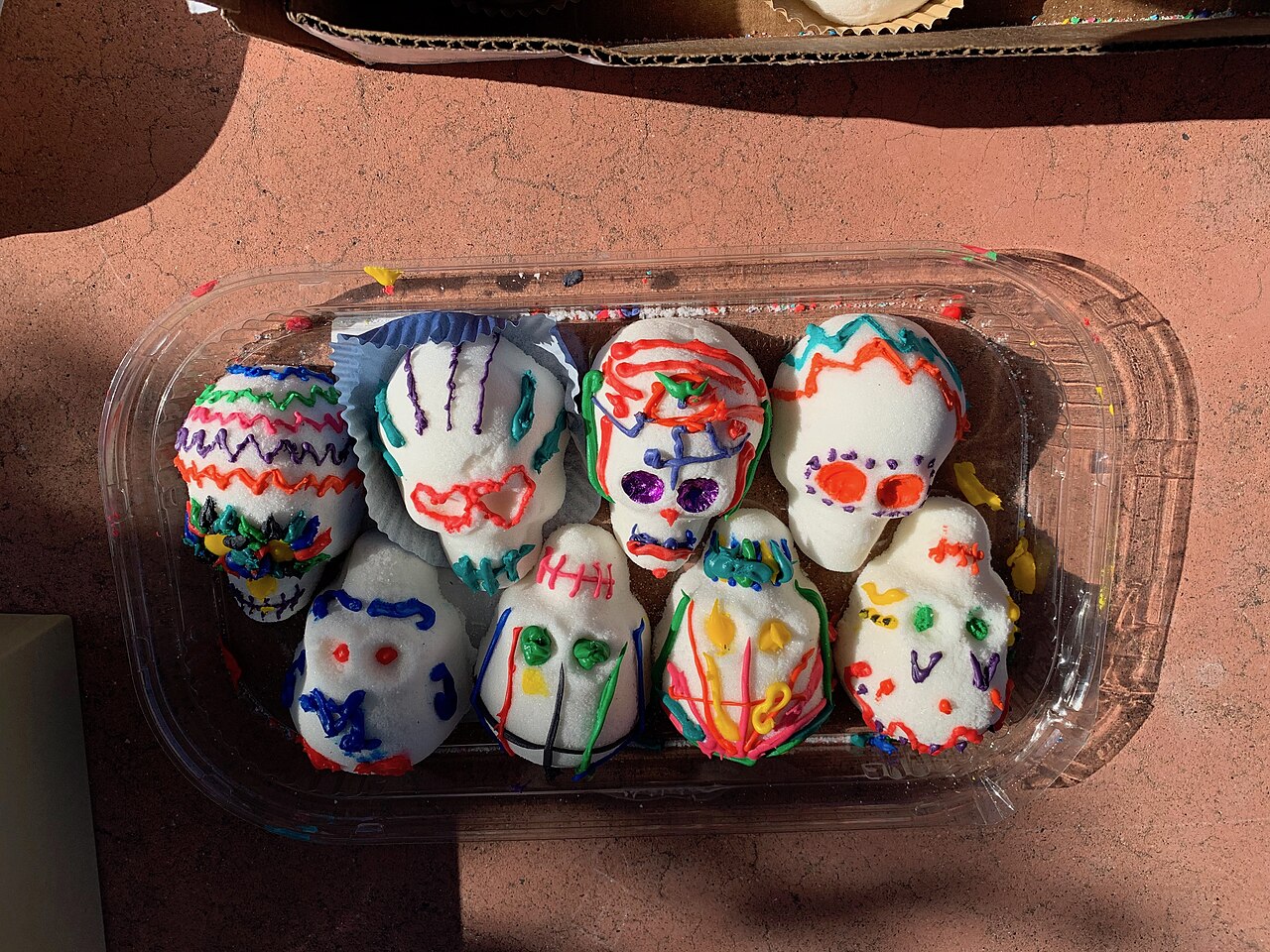

Why are Catrinas part of the celebration?
With elegant clothing, elaborate hats, and skeletal faces, Catrinas have become some of Mexico's most recognizable cultural figures. Their history connects the work of printmaker José Guadalupe Posada with painter Diego Rivera, who helped establish the elegantly dressed character familiar today.
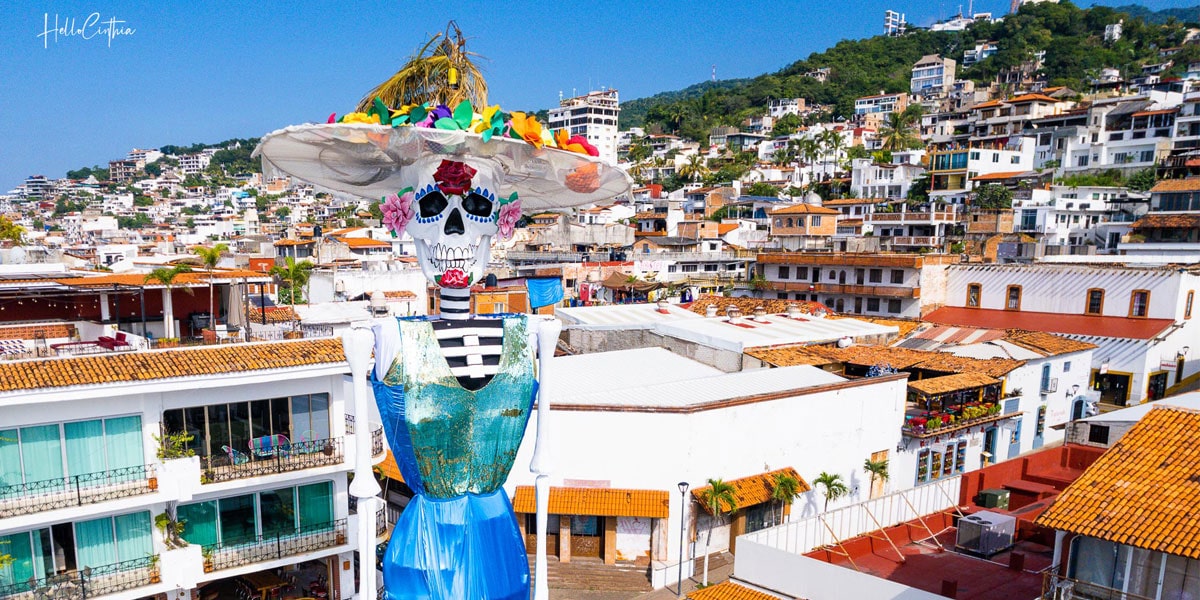

Experiencing Día de Muertos in Puerto Vallarta
Puerto Vallarta brings this tradition to its oceanfront setting through public altars, Catrina displays, music, and cultural activities. The Malecón and historic downtown offer memorable places to discover the celebration, with the monumental Catrina near the Malecón lighthouse among its best-known sights. Consult the official tourism calendar for each year's program.
Take your time when visiting an ofrenda. Read the names, notice the personal objects, and appreciate the care behind each arrangement. Ask permission before photographing families or private ceremonies, and leave offerings undisturbed.
Discover the culture behind the destination
Living in Puerto Vallarta means getting to know the traditions that give the city its character. Día de Muertos offers a moving introduction: a time when remembrance becomes something people create and share together.
At Kara Realtors, we enjoy introducing people to the neighborhoods, everyday experiences, and cultural traditions that make this community special.
Explore more local stories at kararealtors.com.
Learn more: UNESCO: Indigenous festivity dedicated to the dead; INAFED: Día de Muertos traditions; INPI: Elements of an ofrenda; The history of La Catrina.